PCB Potting for Electronics: Process, Materials, and Design Limits
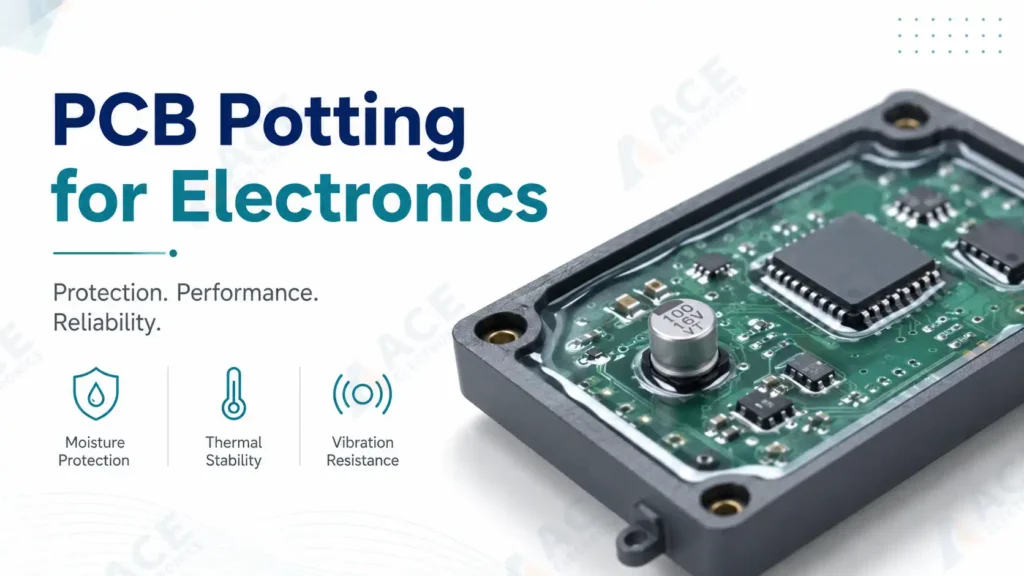
PCB potting is a protection process that fills a cavity or enclosure around an assembled PCB with a liquid compound—typically...
Read Guide
PCB potting is a protection process that fills a cavity or enclosure around an assembled PCB with a liquid compound—typically...
Read Guide
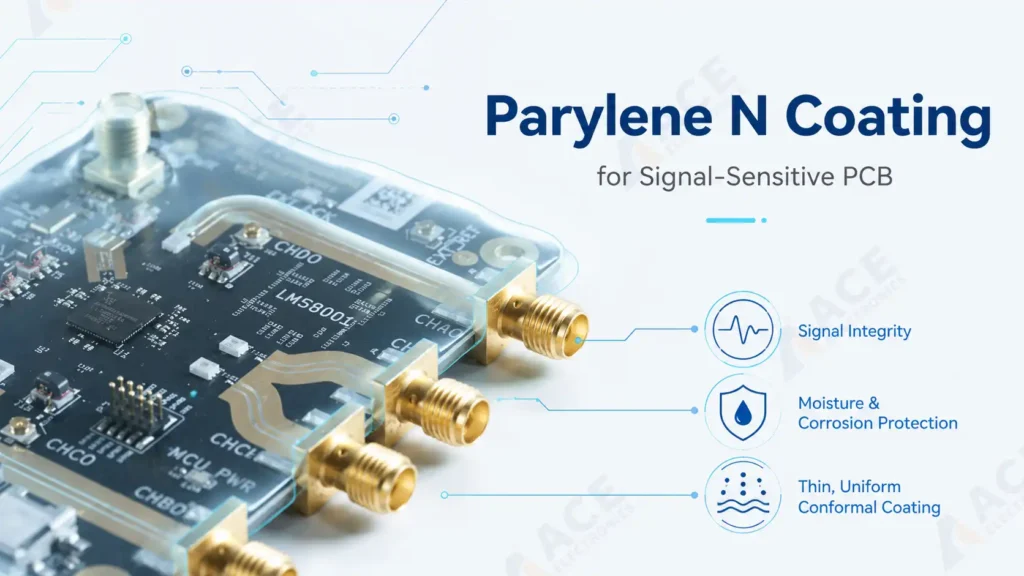
For many RF and signal-sensitive PCB assembly, Parylene N coating is one of the first coating types engineers review. When...
Read Guide
Parylene C coating is a vapor-deposited conformal coating widely used on PCB assemblies and electronics because it combines a strong...
Read Guide
Parylene conformal coating is a vapor-deposited protective film used on PCB assemblies that need very uniform coverage, strong moisture protection,...
Read Guide
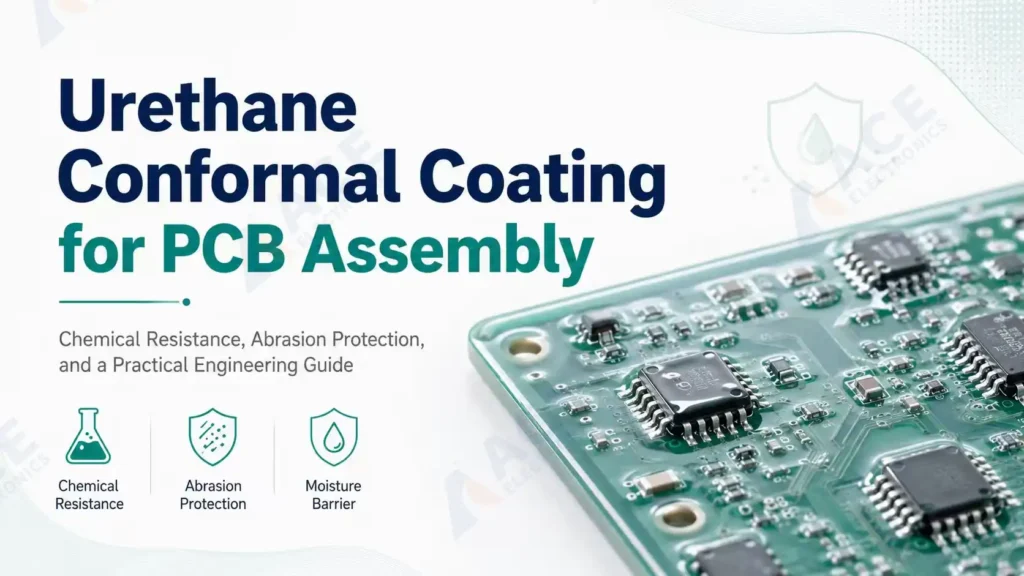
Polyurethane conformal coatings are commonly used for PCB components requiring enhanced chemical resistance, wear resistance, moisture protection, and high reliability....
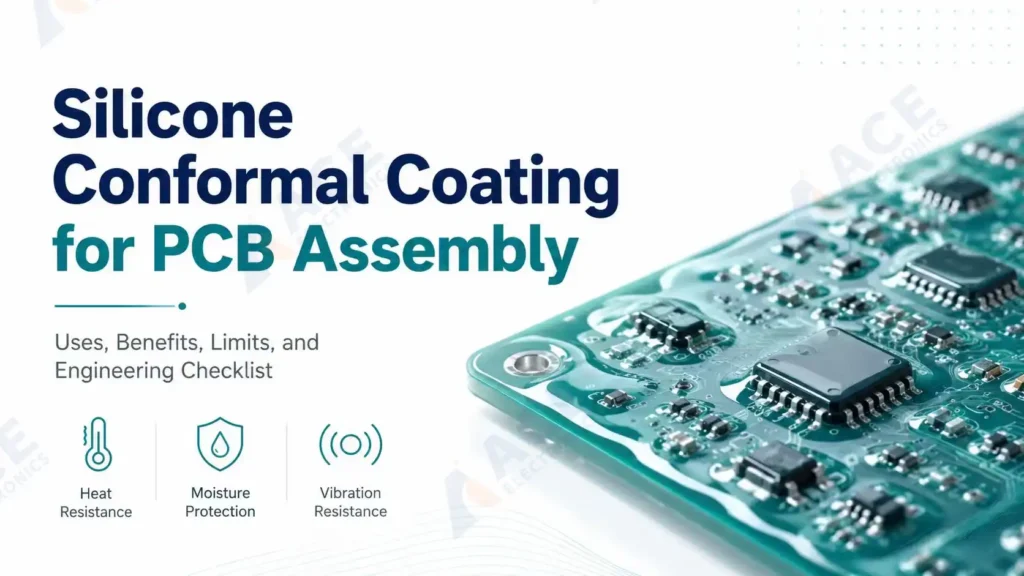
Read GuideSelecting the right conformal coating for a printed circuit board assembly means understanding the operating environment, thermal demands, and long-term...
Read Guide
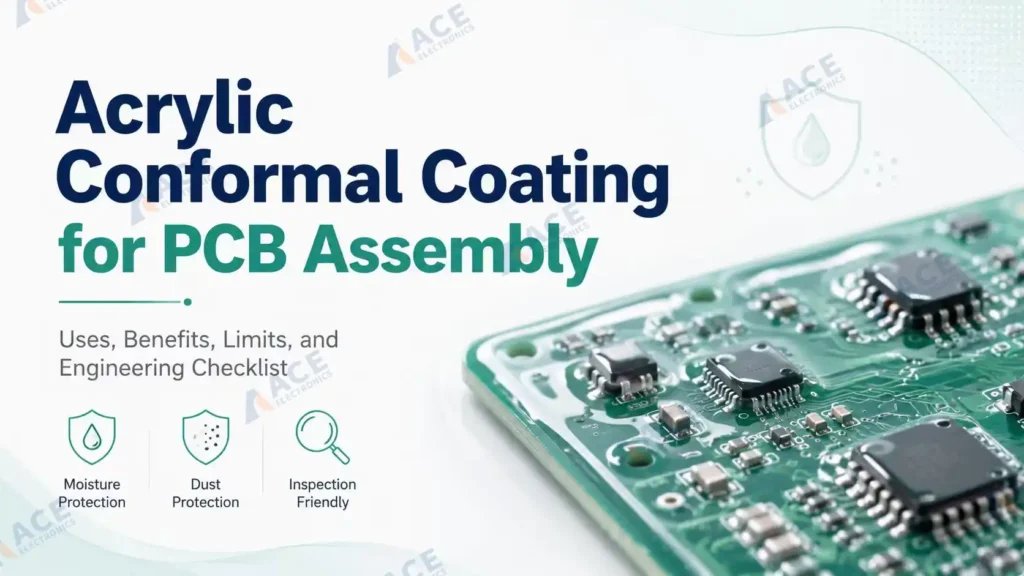
Acrylic conformal coating is a popular choice for protecting PCB assemblies that need reliable moisture resistance, fast handling, easy visual...
Read Guide
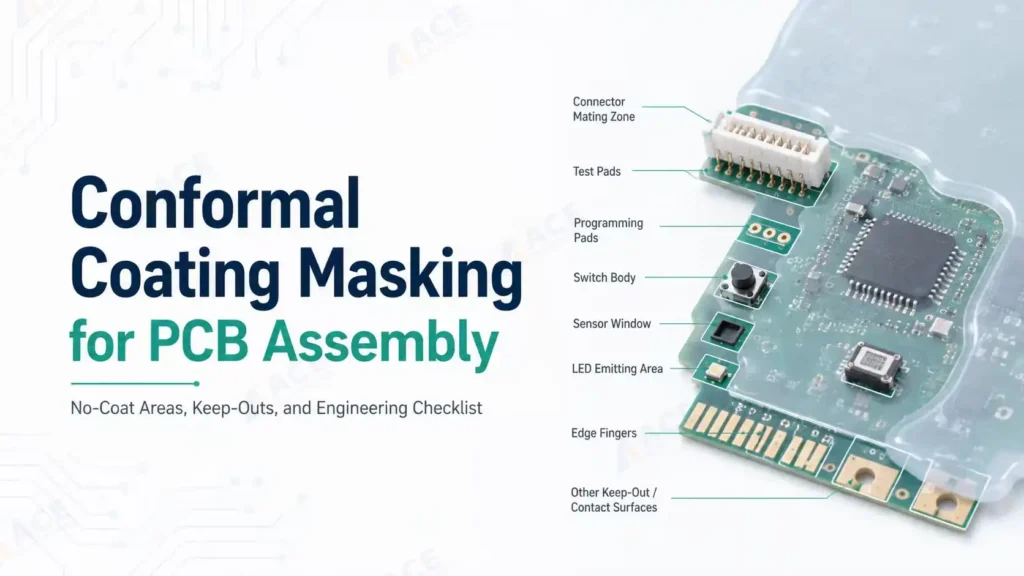
Conformal coating masking protects the PCB areas that must stay free of coating. Common no-coat areas include connectors, test points,...
Read Guide
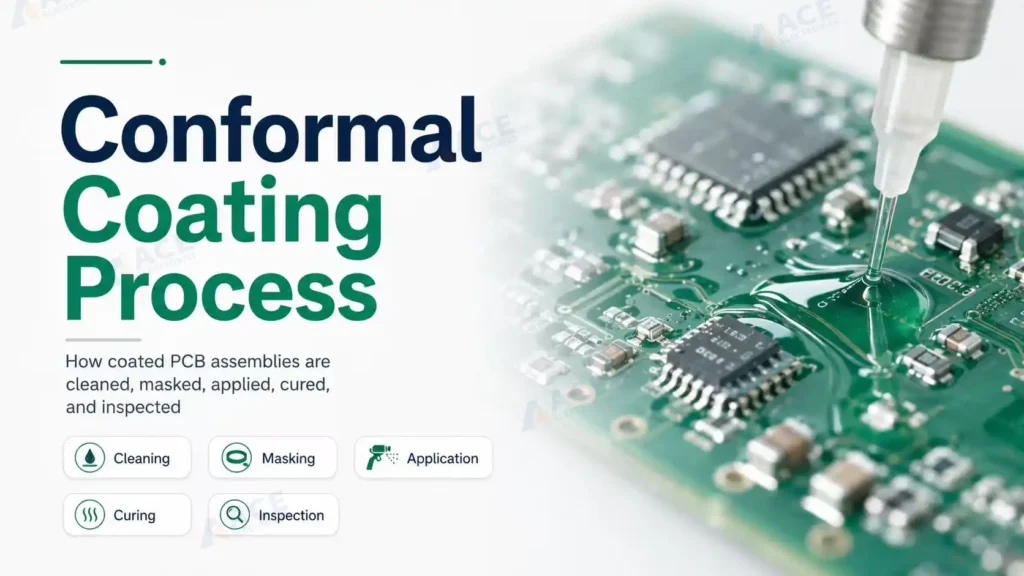
The conformal coating process protects a tested PCB assembly with a thin polymer film. In production, the usual flow is...
Read Guide
PCB conformal coating is a thin protective film applied to an assembled and tested circuit board. It helps protect the...
Read GuideFill out the form below and we'll get back to you within 24 hours