
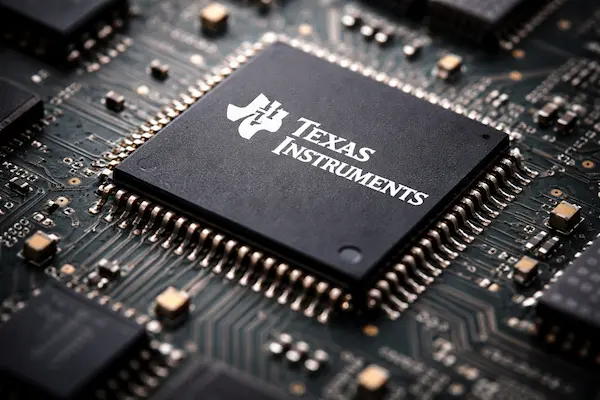
Texas Instruments has reportedly begun pushing April 1 pricing changes into the market for selected analog and embedded parts. TrendForce and IT Home, citing channel notices and distributor feedback published on March 9-10, said some TI parts could move about 15% to 85%, with digital isolators and power management ICs named among the affected categories. For OEM buyers and turnkey PCBA teams, the key fact is the date: any quote, backlog shipment, or customer approval that slips past April 1, 2026 can land on a different cost file.
Procurement teams should act now because the risk hits quotes before it hits factory lead times. TI's January 27 results showed $4.8 billion of inventory, and management said on the earnings call that the company was positioned to meet immediate demand. That points to a pricing event first, not a broad stop-ship shortage. The trouble comes next, when buyers pull in orders, reopen BOMs, and crowd engineering teams with late alternate checks.
The fallback plan is also getting weaker. On March 12, TrendForce reported that NXP had also set an April 1 price adjustment, with distributor book prices due to update on March 30. Infineon's February 5 customer notice and February 4 quarterly commentary point the same way in power devices: AI data center demand is lifting selected categories while suppliers pass through higher investment and operating costs. A late supplier swap may change the part number and still leave the board more expensive.
This price reset from Texas Instruments is part of a synchronized move across the semiconductor industry. Similar pricing adjustments have been reported for:
- STMicroelectronics: See our deep dive into the ST April 2026 price increase and its impact on European OEMs.
- Infineon: Review the Infineon 2026 price hike affecting industrial and automotive power devices.
Pricing will move faster than lead times
Treating this as a spot-market issue misses the real problem. Reports on the TI change say it reaches both direct accounts and distribution purchases. That points to a global effect: once distributor price files move, quote teams in Asia, Europe, and North America usually lose the old number at roughly the same month boundary, even if local stock is still available.
Open quotes matter more than posted lead times this week. If your sales team is still carrying March pricing on a build that will be approved or released after April 1, the quote is exposed even when the delivery date has not changed. NXP's reported March 30 distributor book-price update is a clear warning that channel pricing can reset before internal customer approvals catch up.
For programs that cannot clean that up fast enough in-house, ACE Electronics can review the BOM, check approved alternates, refresh distributor pricing, and tie those changes to component sourcing and turnkey build scheduling before the quote goes out.
Where the April repricing will hit
Lead-time exposure is still real, but it will come through buyer behavior as much as factory behavior. TI told investors on January 27 that orders and backlog improved through the quarter and that it was positioned with inventory and capacity to meet immediate demand. If late-March buyers respond by pulling in buys, holding stock, or shifting demand into the same alternate families, delays will show up in approval queues, partial shipments, and distributor allocation choices.
-
Quotes need a shorter shelf life. Any quote with TI content that is still open on March 31 should be rechecked against April pricing, distributor validity, and backlog shipment terms. A one-week slip can turn a thin-margin PCBA quote into a loss-making order.
-
BOM cost will move unevenly. A blanket adder is dangerous when reported TI increases range from about 15% to 85%. Buyers need a line-by-line review of affected TI parts, especially devices used for power conversion, isolation, and board-level control.
-
Approved alternates are not an automatic exit. If the fallback part comes from NXP or Infineon, April repricing may follow you there. If the alternate changes footprint, firmware behavior, EMC results, or certification paperwork, the "cheaper" part can still delay the build and raise total landed cost.
-
Production scheduling matters as much as unit price. Boards already frozen for April and May shipment should be split into two groups: builds that must stay with TI and should be locked now, and builds that can still move after engineering signs off on alternates. One controlled split lot is cheaper than stopping a full customer program because one repriced part was left unresolved.
NXP's February 2 results show why alternates need a harder commercial review. The company reported 10 weeks of channel inventory at year-end and sequential improvement across all end markets, with automotive and industrial and IoT both firm. Infineon went further on February 4 and said AI demand was strong enough to bring forward investment in power capacity. The second source may already have a fuller order book and less reason to negotiate.
What OEM buyers should do this week
Start with the active quote list, not the AVL. Pull every open project that contains TI analog, power, isolation, or embedded parts and mark which quotes, POs, and backlog shipments can cross April 1. Ask distributors for three things in writing: the post-April 1 price, the shipment date tied to that price, and whether existing backlog keeps March pricing or rolls to the new file.
Then split the parts into two buckets. Keep the parts that already sit in a validated design and cannot move without new risk. Reopen the parts that already have approved alternates, or can be qualified quickly without touching compliance, firmware, or customer acceptance. Buyers who mix those decisions together usually pay twice, once in price and again in delay.
If your upcoming projects rely on Texas Instruments components, contact our procurement team now. We can help you review your BOM for risks and secure traceability before market conditions tighten further. Contact our Component Sourcing Specialists at bill@acepcba.com
Sources
- TrendForce report on Texas Instruments’ reported April 1, 2026 price increase
- IT Home coverage of Texas Instruments’ reported 2026 price adjustment notice
- TrendForce report on the broader chip price increase wave involving NXP, TI, and Infineon
- Texas Instruments Q4 2025 and full-year 2025 financial results
- The Motley Fool transcript of the Texas Instruments January 27, 2026 earnings call
- NXP Semiconductors fourth-quarter and full-year 2025 results
- Infineon press release on Q1 FY2026 results and higher investment spending