
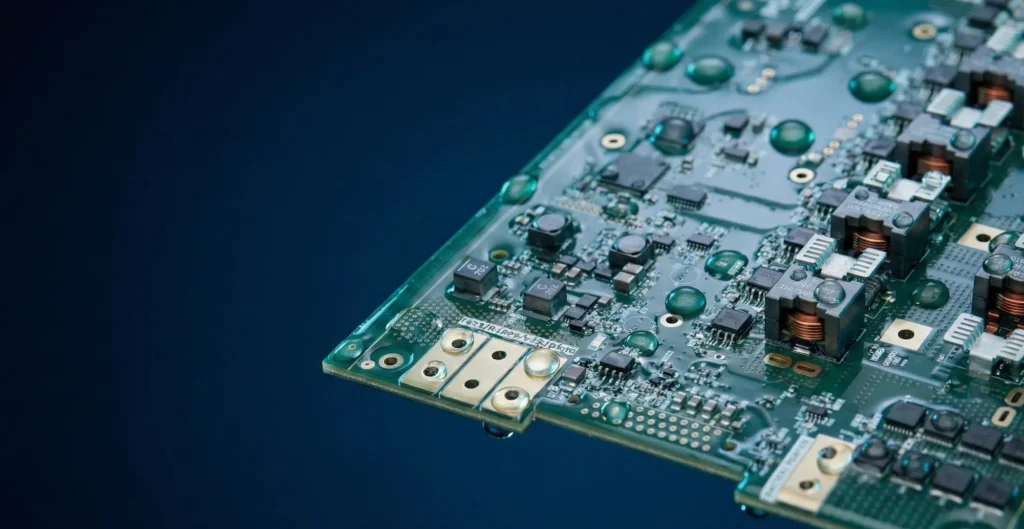
Your electronics are failing in the field from moisture and dust. This leads to expensive returns and a damaged reputation. The right conformal coating1 is the key to protecting your PCBA.
To choose the right conformal coating, you must evaluate your product's operating environment, budget, and repair needs. The main types are Acrylic2, Urethane, Silicone, and UV-cured coatings, each offering different levels of protection, cost, and flexibility for various applications from consumer electronics to aerospace.
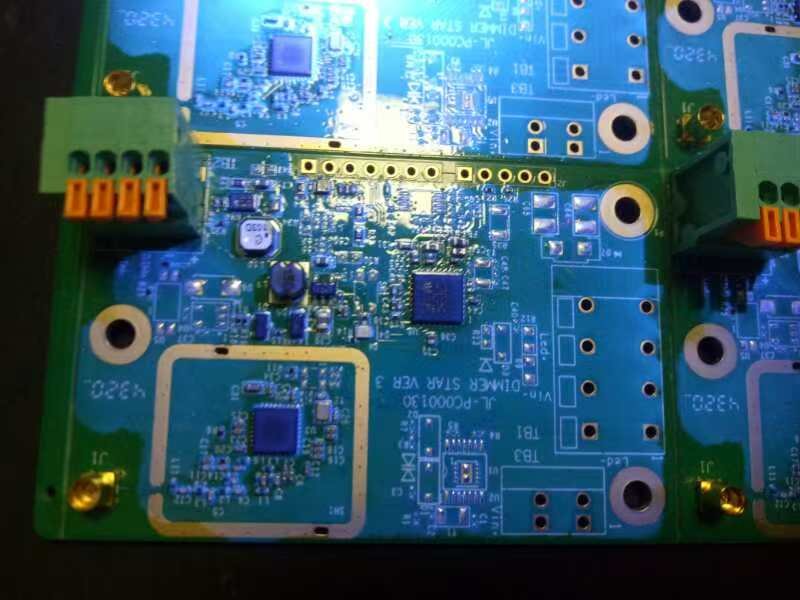
Choosing a coating is a critical step in manufacturing. It’s not just about adding a protective layer; it's about guaranteeing your product's long-term reliability. A mistake here can be costly. We have seen it happen many times. Let's break down the options to help you find the perfect match for your project.
What Are the Common Types of Conformal Coatings?
Feeling overwhelmed by the different coating options available? Picking the wrong one can mean you get poor protection or you overspend on features you do not need. Let's simplify the four main types.
The most common conformal coatings are Acrylic, Urethane3, Silicone, and UV-cured coatings. Acrylic is a cost-effective choice for consumer goods. Urethane offers strong adhesion for industrial use. Silicone provides high heat resistance for demanding environments, while UV coatings offer the fastest cure times.
At our facility, we handle these materials every day. Each one has a specific job. Understanding them is the first step to making a smart decision. Here is a deeper look at the four main types we use for our clients.
Breaking Down the Four Main Coatings
We can compare them based on their properties and typical uses. This helps our clients select the best option without getting lost in technical jargon.
| Coating Type | Solid Content | Key Features | Common Applications | Curing Method |
|---|---|---|---|---|
| Acrylic | 20-30% | Low cost, easy to apply and repair, good general protection. | Consumer Electronics | Air Dry / Heat |
| Urethane | 30-40% | Strong adhesion, hard finish, good chemical resistance. | Industrial Controls, Automotive | Air Dry / Heat |
| Silicone4 | 60-70% | Flexible, excellent high-temperature range (-40°C to 250°C). | Automotive, Aerospace, Military | Air Dry / Heat |
| UV-Cured | ~99% | Very fast cure, eco-friendly, consistent thickness. | High-End Automotive, Medical | UV Light / Moisture |
Acrylic is the go-to for many consumer products because it is cheap and does the job. Urethane3 is a step up, offering a tougher shell for industrial machines that face more challenging conditions. Silicone is for the heavy-duty stuff. Think of electronics inside a car engine or on an aircraft, where temperatures swing wildly. Finally, UV coating is for high-volume, high-precision manufacturing. It cures in seconds under a UV lamp, which speeds up production lines immensely. The downside is that it's tough to repair later.
What Should You Do Before Applying a Conformal Coating?
You have coated a batch of boards, only to find some are faulty. Now you face a nightmare scenario: trying to repair a coated board, wasting both time and money. Proper preparation is the simple step to avoid this.
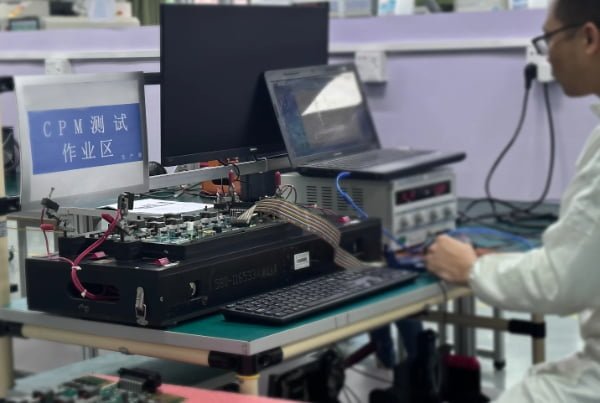
Before applying any conformal coating, it is absolutely essential to confirm the PCBA is 100% functional. This involves rigorous quality control and a complete functional test (FCT)5 from your assembly partner. Skipping this step risks sealing in defects, making rework extremely difficult and expensive.
I cannot stress this enough: coating should be one of the very last steps. It is like painting a car. You would not paint a car that has a faulty engine. The same logic applies here. A small defect found before coating is a simple fix. That same defect found after coating becomes a major operation.
The Golden Rule: Test Before You Coat
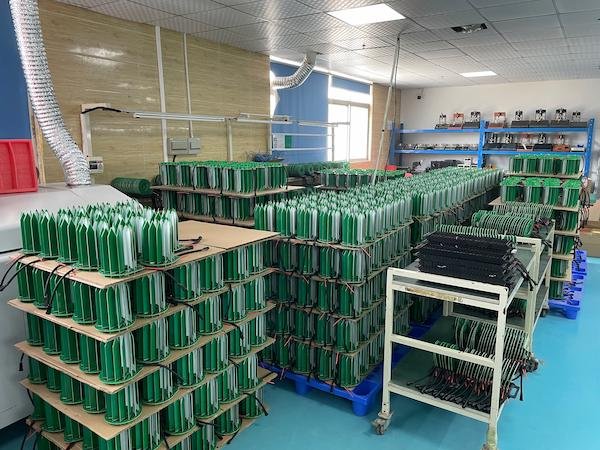
The cost of rework on a coated board is huge. First, a technician has to carefully remove the coating, which can be a slow process. Then, they have to desolder and replace the faulty component. After that, the area must be cleaned perfectly before a new coating can be applied. All this extra labor and material costs add up quickly. That is why a 100% Functional Test (FCT) is not optional; it is a necessity. This is a custom test rig we build to simulate the product's real-world operation. It checks every function to ensure the board works exactly as designed. Only boards that pass this test move on to the coating stage.
Partner Quality and Material Safety
Your choice of an EMS partner is critical here. A good partner has strict quality control processes from the very beginning, like our incoming QC for components and precise assembly. This reduces the chance of defects in the first place. You also need to think about the materials themselves. We always recommend using coatings from reputable brands that are environmentally safe. You should avoid materials with harmful chemicals. This protects the workers who handle them, the end-users, and our planet. Our certifications, like ISO90016 and IATF169497, reflect our commitment to these high standards.
How Do We Handle Conformal Coating in Real-World Projects?
Theory is great, but you need to see how these choices work in a real product. Without a practical example, it is hard to visualize the full process and its impact. Let me share a story from one of our clients.
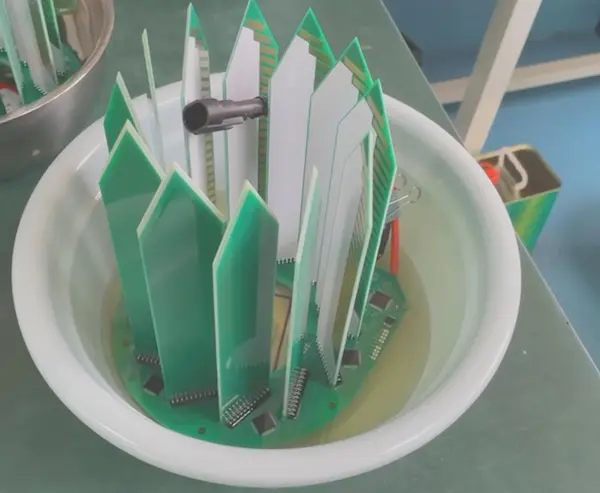
We worked with a US client on an agricultural soil monitor. We provided a full turnkey service8, including a multi-step protection process. This involved dipping the PCBA in urethane conformal coating and then encapsulating it with a UV-resistant urethane for maximum durability in harsh outdoor conditions.
This project is a perfect example of how to build a product that lasts. The client came to us in 2024. They were developing a smart sensor for farmers to monitor soil conditions. The device had to survive outside for years, facing rain, sun, and extreme temperatures.
A Case Study: Agricultural Soil Monitors
The challenge was clear: protect the sensitive electronics from the harsh outdoor environment. A simple coating would not be enough. We needed a more robust, multi-layered solution. Our engineering team worked with the client to develop a two-step process.
Our Two-Layer Protection Strategy
First, we assembled the complete PCBA, including sourcing all components and performing a 100% functional test. Once we confirmed everything worked perfectly, we moved to the protection phase.
- Conformal Coating: We started by dip-coating the entire PCBA in a urethane conformal coating. We chose urethane for its excellent moisture resistance9 and strong adhesion to the board and components. This created the first barrier against contaminants.
- Encapsulation (Potting): Next, we took the coated board and placed it into its custom-molded housing. We then used a process called urethane encapsulation10. We filled the entire housing with a special urethane compound that included a UV-resistant additive. This compound cured into a solid, 65D hardness white shell. It completely sealed the PCBA, making it waterproof and protecting it from physical shocks and sunlight.
This combination gave the product the ultimate protection. The partnership has been a great success. We have been working together for two years and now ship 5,000 units for them annually. This shows how a smart protection strategy leads to a reliable product and a strong, long-term business relationship.
Conclusion
Choosing the right coating—Acrylic, Urethane, Silicone, or UV—and testing first is key. This protects your PCBA, saves money, and ensures your product's long-term reliability in the field.
Comparision Chart For Your Reference
Overview & Processing
| Feature | Acrylic2 (AR) | Silicone4 (SR) | Urethane (UR) | UV-Curable11 (UV) |
|---|---|---|---|---|
| Chemistry Base | Thermoplastic (Solvent-based) | Elastomeric Polymer | Thermoset Polymer | Acrylated Urethane3 / Epoxy |
| Cure Mechanism | Evaporation (Physical drying) | Moisture or Heat | Moisture, Heat, or Chemical | UV Light (Photopolymerization) |
| Cure Speed | Fast (Minutes to dry, hours to cure) | Moderate (Hours) | Slow (Days to weeks) | Instant (Seconds) |
| Throughput | High (Fast drying) | Moderate | Low (Bottleneck in production) | Highest (Immediate handling) |
| VOC Emissions | High (Solvent evaporation) | Low to Moderate | Moderate | Zero / Low (100% Solids) |
| Process Cost | Low (Simple equipment) | High (Material cost) | Moderate | High (Equipment investment) |
Performance & Reliability
| Feature | Acrylic2 (AR) | Silicone4 (SR) | Urethane (UR) | UV-Curable11 (UV) |
|---|---|---|---|---|
| Chemical Resistance | Poor (Dissolves easily) | Moderate | Excellent | Excellent |
| Moisture Resistance | Good | Excellent | Excellent | Excellent |
| Abrasion Resistance | Fair | Poor (Soft/Rubbery) | Excellent (Hard/Durable) | Excellent |
| Thermal Stability | Moderate (Up to 125°C) | Best (-65°C to 200°C+) | Moderate (Up to 125°C) | Moderate/Good (Formula dependent) |
| Flexibility | Moderate | High (Vibration dampening) | Good | Low to Moderate (Can be rigid) |
| Dielectric Strength | High | Moderate | High | High |
Maintenance & Application
| Feature | Acrylic2 (AR) | Silicone4 (SR) | Urethane (UR) | UV-Curable11 (UV) |
|---|---|---|---|---|
| Reworkability | Easiest (Dissolves in solvents) | Difficult (Chemical/Mechanical) | Very Difficult (Hard to strip) | Difficult (Highly cross-linked) |
| Primary Risk | Solvent sensitivity | Contamination (Migration) | Cracking under thermal shock | Shadowing (Uncured areas) |
| Ideal Use Case | Consumer electronics, low-cost repairs | Automotive, High-Temp, Aerospace | Industrial, Chemical environments | High-volume manufacturing |
+++FAQ+++
- Which conformal coating is the best choice if I am on a tight budget?
Acrylic is the most cost-effective option. It is relatively inexpensive to purchase and apply, and it dries quickly at room temperature. Because it is highly reworkable, you won't lose money scrapping boards if a component needs a quick fix after the coating is applied. It is the go-to choice for consumer electronics and stable indoor environments.
- My device will be installed near an engine and exposed to extreme heat. What should I use?
You should choose Silicone. Silicone's primary strength is its incredible thermal stability. It can withstand a massive temperature range (from -65°C up to 200°C) without losing its protective qualities. It also remains flexible, which helps it absorb vibrations in harsh mechanical environments.
- We need maximum durability against harsh chemicals and physical scraping. Which coating works best?
Urethane (or polyurethane) is exactly what you need for this scenario. It dries into a very hard, tough shell that offers exceptional resistance to abrasion, chemical solvents, fuels, and moisture. It is highly recommended for rugged outdoor devices, aerospace applications, and industrial controls.
- Why is it so difficult to fix a board coated with silicone or urethane?
While acrylic can be easily dissolved with simple solvents, silicone and urethane create highly durable, cross-linked barriers.
The Rework Challenge: Removing urethane or silicone requires specialized chemical strippers, intense heat (like burning through), or mechanical micro-blasting. These aggressive removal methods can easily destroy the underlying PCB traces or damage adjacent components.
- Why is functional testing (FCT) absolutely critical before applying the coating?
Because rework is so incredibly difficult and expensive once a board is sealed! If a faulty component is discovered after a tough coating like urethane is applied, fixing it is a nightmare. Performing a 100% functional test before the coating process ensures that every component works perfectly while the board is still easy and cheap to repair.
+++FAQ+++
Explore this resource to understand how conformal coating can enhance the durability of your electronics. ↩
Discover why Acrylic is a popular choice for consumer electronics and its cost-effectiveness. ↩
Find out how Urethane provides strong adhesion and chemical resistance for industrial applications. ↩
Explore the unique properties of Silicone that make it ideal for demanding applications. ↩
Explore the necessity of FCT in preventing costly mistakes during the coating process. ↩
Discover how ISO9001 certification ensures high standards in quality management. ↩
Explore the significance of IATF16949 in enhancing quality in automotive manufacturing. ↩
Understand how turnkey services streamline the manufacturing process for clients. ↩
Learn about the critical role of moisture resistance in extending the life of electronics. ↩
Discover how encapsulation enhances the durability and reliability of electronic devices. ↩
Explore this resource to understand how UV-Curable coatings enhance production efficiency and protect sensitive electronics. ↩